
Red Rocks Weather Guide 2026-Red Rocks Amphitheatre sits at 6,280 feet above sea level in the foothills of the Rocky Mountains — and the weather at this elevation, in this canyon, at this particular location just west of Denver behaves in ways that first-time visitors consistently underestimate and even experienced concertgoers sometimes get wrong. This guide covers everything you need to know about Red Rocks Amphitheatre weather in 2026 — by season, by time of day, and by the specific conditions that catch people off guard most often.
It also explains why weather is one of the strongest arguments for booking a red rocks car service , denver to red rocks car service with Red Rocks Voyager rather than driving yourself — because rain, snow, lightning, and extreme cold affect roads to Morrison in ways that make having a professional driver behind the wheel genuinely valuable.

Why Red Rocks Weather Is Different From Denver Weather
The first thing to understand about Red Rocks weather is that it is not the same as Denver weather — even though Morrison is only 15 miles west of downtown. The elevation difference of approximately 2,000 feet between Denver’s downtown core and Red Rocks Amphitheatre creates a meaningfully different microclimate. What is a mild, clear evening in Denver can be 10-15 degrees colder, windier, and potentially rainier at Red Rocks. The geological bowl of the amphitheater concentrates wind in specific directions.
The exposed western sky means thunderstorms developing over the Rockies arrive at Red Rocks significantly faster than they appear to be approaching from the venue. And the temperature drop after sunset at 6,280 feet is consistently more dramatic than Denver’s own after-dark cooling. Always check weather.gov specifically for Morrison, Colorado — not Denver — before any Red Rocks event.
Red Rocks Weather by Season — The Honest Guide

Spring at Red Rocks: March, April, May
Red Rocks Weather Guide 2026 – The Red Rocks 2026 season opens in late March — and spring weather in Morrison is genuinely unpredictable. The opening weekend shows of late March and early April happen when Colorado is still fully capable of delivering snow, sub-freezing temperatures, and ice on the Morrison approach roads. April shows can range from surprisingly pleasant afternoons to genuinely cold, windy evenings that require winter-weight layering. May becomes more reliable but still generates surprise cold snaps — particularly at night, when temperatures at Red Rocks can drop into the 40s Fahrenheit even after warm days.
What to wear to spring Red Rocks shows: Base layer plus mid-layer plus a genuine outer layer — not a light jacket but an actual coat. Wind is frequent and the canyon can funnel it. Gloves and a hat are not ridiculous choices for March and April. Waterproof outer layer is strongly advisable given spring rain frequency. Closed-toe shoes rather than sandals — the seating is cold stone.
Spring road conditions: Late March and April shows can coincide with late-season snow and ice on the Morrison approach roads. Check CODOT before any spring show departure. Our Red Rocks Voyager drivers have navigated the Morrison roads in all spring weather conditions — snow, rain, ice, and the specific combination of Denver rush hour plus wet roads that make spring show nights particularly challenging to navigate independently.
Summer at Red Rocks: June, July, August

Summer is the peak Red Rocks season — and summer weather at the amphitheater has its own character that surprises even experienced visitors.
Afternoon heat: June, July, and August afternoons at Red Rocks can be genuinely hot — the sandstone formations absorb and radiate heat, and the south-facing seating bowl concentrates afternoon sun. For early-start shows with 5 PM or 6 PM doors, arriving in full afternoon sun means building in significant sun exposure before the show begins. Sunscreen, sunglasses, and a hat for the pre-show hours are essential.
Evening cooling: The most consistently underestimated summer weather reality at Red Rocks is how quickly the temperature drops after sunset. A 90-degree afternoon in Denver can translate to a 65-degree evening at Red Rocks by 9 PM and a 55-degree post-show walk back to the parking lot. Summer visitors who dress for Denver’s daytime temperature and bring nothing warmer are genuinely cold by the end of shows. Always bring a layer — every summer show, without exception.
Afternoon thunderstorms: Colorado’s summer thunderstorm pattern — afternoon storm development over the mountains, rapid movement eastward, frequent lightning — makes the June through August Red Rocks season the most weather-interrupted of the year. Red Rocks has specific lightning safety protocols that can require temporary evacuation of the venue during electrical storms. These interruptions are managed professionally by venue staff and shows almost always resume — but they do happen, sometimes multiple times during a single evening. If lightning is visible from the stage, follow all venue staff instructions immediately. For venue weather and lightning safety policies, visit redrocks.com/park-information.
What to wear to summer Red Rocks shows: Light clothing for the afternoon pre-show hours, with a genuine layer — sweatshirt, light jacket, or fleece — for after sunset. Comfortable closed-toe shoes for the stone seating and uneven terrain. Sunscreen for afternoon arrival. A poncho or packable rain jacket — summer storms can arrive quickly and umbrellas are not permitted inside the venue.
Altitude: At 6,280 feet, Red Rocks sits at genuine Colorado mountain altitude. Visitors from lower elevations — especially those flying directly from sea level — may experience mild altitude-related effects including headache, increased sun sensitivity, and dehydration. Drink significantly more water than you think you need. Alcohol dehydrates more rapidly at altitude. The venue’s hydration stations are worth using throughout any summer show.
Fall at Red Rocks: September, October, November
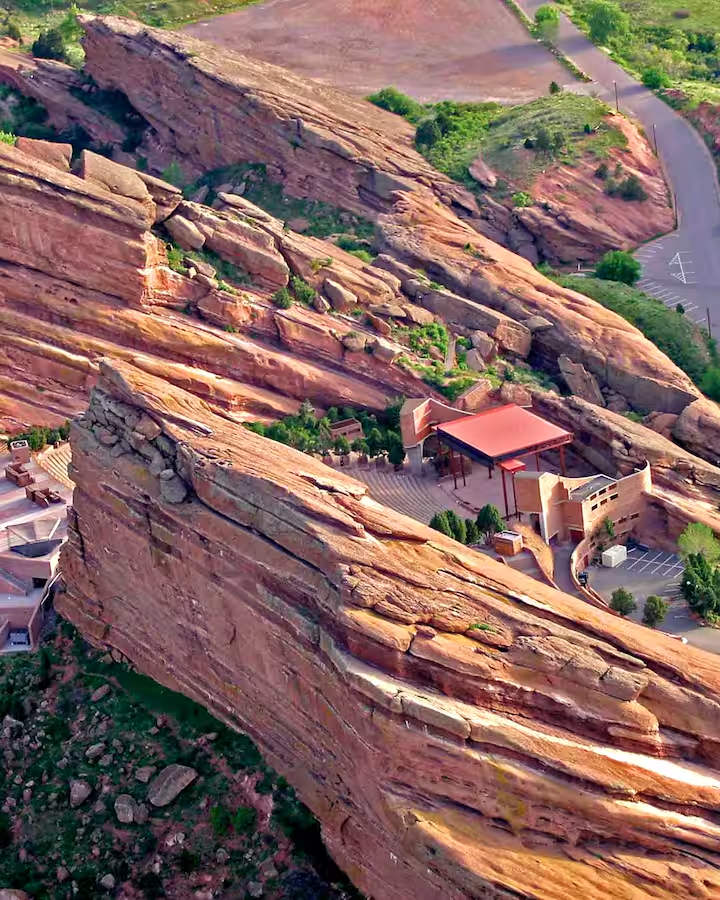
Fall is widely considered the most beautiful time of year at Red Rocks — the September and October light on the sandstone formations creates a warm amber glow that photographers travel specifically to capture, and the cooler air after the summer heat makes the amphitheater deeply comfortable. It is also the season that most consistently catches visitors under-dressed.
September: Early September days are often still warm — 70s and even 80s in Morrison. But September evenings cool reliably and significantly after dark. By 9 PM at a September show, temperatures are typically in the 55-65°F range. A genuine mid-layer is non-negotiable for any September Red Rocks show.
October: October is beautiful and cold. Daytime temperatures at Red Rocks during October are typically in the 50s and 60s°F. Evening temperatures drop into the 40s — and by the end of October, into the upper 30s and occasionally below. Halloween week shows — which include some of the most popular events of the entire 2026 season — require genuine winter layering. Costumes for Halloween events must include serious thermal underlayers if wearers expect to be comfortable through the evening.
November: The final month of the Red Rocks season. November at Red Rocks means genuinely cold conditions — daytime temperatures often in the 40s°F, evening temperatures dropping into the 30s and occasionally below freezing during the show’s closing acts. The November shows — including the season finale on November 15 — require full winter clothing. This is not hyperbole. The November 15 afternoon show starts at 2:30 PM but November afternoons at 6,280 feet in Morrison require warm layering from arrival through departure.
What to wear to fall Red Rocks shows: September — light base layer plus a genuine jacket. October — mid-weight base layer plus insulating mid-layer plus wind-resistant outer shell. October Halloween week — full warm underlayer under any costume. November — full winter clothing including hat, gloves, and a coat rated for temperatures in the low 30s°F.
Fall road conditions: October and November at Red Rocks introduce the possibility of snow and ice on the Morrison approach roads — particularly after dark when temperatures drop. The roads to Red Rocks are not mountain roads but they are affected by early-season snow and ice conditions that can make them significantly more challenging than their appearance suggests. Always check CODOT before fall show departures. Our Red Rocks Voyager drivers are experienced with fall and early winter Morrison road conditions — one of the most significant practical advantages of professional transportation in the later months of the season.
The Most Common Red Rocks Weather Mistakes
Checking Denver Weather Instead of Morrison Weather
The single most common mistake. Always check weather.gov for Morrison, Colorado specifically — not Denver. The 15-mile distance and 2,000-foot elevation difference create genuinely different forecast conditions. A clear Denver forecast with a Denver temperature of 75°F can correspond to a Morrison forecast of 62°F with wind and a 30% chance of afternoon thunderstorms.
Under-Dressing for Evening Temperature Drops
Consistent across every season. Visitors who dress for the temperature at departure time from Denver are frequently cold by the time the headliner finishes. The temperature at 10 PM or 11 PM at Red Rocks is reliably 15-25°F colder than the temperature at 5 PM. Bring a layer. Every show. Every season.
Not Having a Rain Layer
Umbrellas are not permitted inside Red Rocks Amphitheatre. Ponchos and packable rain jackets are the correct rain preparation. Summer thunderstorms can arrive with very little warning — having a rain layer in a small bag or backpack is smart for any June, July, or August show.
Underestimating Sun Exposure at Altitude
The south-facing seating bowl at Red Rocks concentrates afternoon sun and the altitude reduces the atmospheric protection against UV radiation. Sunburn at early-start summer shows is genuinely common among visitors who do not apply sunscreen. Bring sunscreen to any show with doors before 7 PM during summer months.
Not Accounting for Weather-Affected Drive Times
Rain, snow, and ice significantly affect the Denver to Red Rocks drive time and the post-show exit time. Shows that happen during or after rain generate wetter parking lot conditions, slower pedestrian movement, and more cautious driving on the Morrison roads. Our Red Rocks traffic and car service from Denver guide covers weather-affected journey times specifically.
What to Pack for Any Red Rocks Show — The Complete List
- Layers: At minimum one additional layer beyond what you are wearing when you leave Denver — regardless of season.
- Poncho or packable rain jacket: Essential for summer months. Useful for spring and fall. Umbrellas are prohibited inside the venue.
- Sunscreen: For any show with afternoon arrival at summer elevations.
- Comfortable closed-toe shoes: The seating is stone. The terrain between parking and the venue is uneven. Sandals work but closed-toe shoes are more comfortable for full evenings.
- Water: Empty reusable water bottles are permitted and refillable inside the venue. Altitude dehydration is real — drink more than you think you need.
- A small bag within venue size guidelines: Enough to carry your layers, rain layer, sunscreen, and phone charger without exceeding the venue’s bag size policy. Check current bag policy at redrocks.com/park-information.

Weather and Red Rocks Voyager — Why Professional Transportation Matters More in Challenging Conditions
Weather at Red Rocks affects the drive to Morrison just as much as it affects the experience inside the venue. Rain on the Morrison approach roads slows traffic significantly. Post-storm wet roads combined with 9,500 people exiting simultaneously make the post-show drive genuinely more challenging than normal. Winter conditions in October and November introduce ice risk on roads that many Denver drivers are not routinely comfortable navigating after dark in unfamiliar territory.
Red Rocks Voyager’s professional drivers navigate these conditions with the expertise built from hundreds of show nights across every season. When the weather is at its most challenging — a summer thunderstorm clearing just before show time, a wet October Saturday night exit, an early November cold show with icy Morrison roads — having a professional driver is not just a convenience. It is genuinely the safest and most sensible choice.
Our vehicles are maintained for all-weather driving, our drivers know the Morrison roads in rain, cold, and post-storm conditions, and we are waiting for you after the show regardless of conditions outside. Read our top reasons to use Red Rocks car service in 2026 and our stress-free ride to Red Rocks complete guide.
Our private round-trip red rocks transport service, luxury SUV transfer to Red Rocks, and red rocks shuttle are available for every show on the 2026 calendar. Flying into Denver? Our denver airport to red rocks transportation connects DIA to Morrison in any weather. Check our pricing and FAQs.
For upcoming shows, see our upcoming Red Rocks concerts 2026 guide. For the full season calendar, see our latest concerts planned at Red Rocks 2026 schedule. For Colorado travel resources, check colorado.com. For dining in Morrison, visit visitmorrisonco.com. For Denver area info, visit denvergov.org and denver.org’s Red Rocks page. For public land and park info, see nps.gov and BLM Colorado. Red Rocks Voyager is fully licensed — see puc.colorado.gov, transportation.gov, Colorado transportation regulations, and fhwa.dot.gov. For more Red Rocks visit tips, read our smart Red Rocks travel tips, our top 10 Red Rocks Amphitheatre tips, and our best times to visit Red Rocks guide.

Check the Weather — Then Book Your Ride
Red Rocks weather is part of what makes the venue extraordinary — the canyon light in autumn, the summer evening sky above the formations, the crisp October air during Halloween week, and yes, even the drama of a summer thunderstorm clearing just before the headliner takes the stage. Being prepared for it is what separates a great Red Rocks evening from an uncomfortable one. Check weather.gov for Morrison specifically. Dress in layers for every season. Bring a rain layer for every summer show. And let Red Rocks Voyager handle the drive — in every weather condition, across every month of the season, with the expertise and reliability that makes every Red Rocks evening genuinely what it is supposed to be.
Click → Book Your Red Rocks car service denver to red rocks — All Weather, All Season